
Who are Freemasons?
Freemasons are a varied community of men representing different professions, religions, and cultural backgrounds. The organisation is built on a tradition that dates back centuries, originating from the stonemason guilds of the medieval era and gradually developing into a respected modern institution. In the present day, Freemasonry remains highly relevant, offering men guidance, support, and opportunities for personal growth as they adapt to an ever-changing world and strive to reach their full potential.
What do Freemasons Do?
Freemasonry is a global fraternity with more than six million members around the world, yet its activities are strongly rooted in local communities.
In Australia, several well-known figures have been Freemasons, including Robert Menzies, Donald Bradman, Charles Kingsford Smith, and Edward ‘Weary’ Dunlop.
For many individuals who believe in a Supreme Being but do not strictly identify with organized religion, Freemasonry offers a deeper sense of purpose and meaning in life.
Despite some of the unusual conspiracy theories circulating online, these claims do not reflect the reality of Freemasonry.
Choosing to become a Freemason is a personal commitment to self-improvement, to values that recognize the equality of all people, and to supporting and uplifting the wider community.
Through the Masonic Charities Trust, Freemasonry in South Australia and the Northern Territory donates more than $2 million each year to support meaningful causes.
Another charitable branch, the Freemasons Foundation, provides smaller community grants along with educational scholarships and bursaries that positively impact many lives.
Most Masonic Lodges meet about once a month, and meetings typically last between two and three hours. During these gatherings, members manage lodge business and perform traditional rituals, which may include initiating new members, advancing members through higher degrees, or installing a new Master and lodge officers.
These ceremonies follow traditions that have been practiced for centuries. They are designed to convey important moral lessons and encourage members to reflect on their character, actions, and personal development. The teachings of Freemasonry are largely symbolic and allegorical, using meaningful emblems and symbols to communicate deeper ideas. Traditionally, the full interpretation of these teachings is best understood by members themselves.
After the formal meeting, members usually share a meal known as the “festive board.” This informal gathering allows them to relax, socialize, and strengthen friendships in a welcoming and friendly environment. 🍽️🤝
Freemasonry - What's It All About?
The Grand Lodge of South Australia and the Northern Territory has released a publication titled “Freemasonry: What’s It All About?”, which invites readers to reflect on their own reasons for joining the Craft and to explore what Freemasonry can offer in terms of personal growth, values, and community involvement.
More About Freemasonry
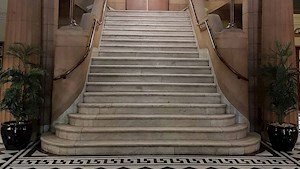
FAQ's
Frequently Asked Questions about Freemasons, including, What is a Lodge and what does it look like?, Why do Freemasons dress up for their meetings?, How can Freemasonry improve its members? and more.
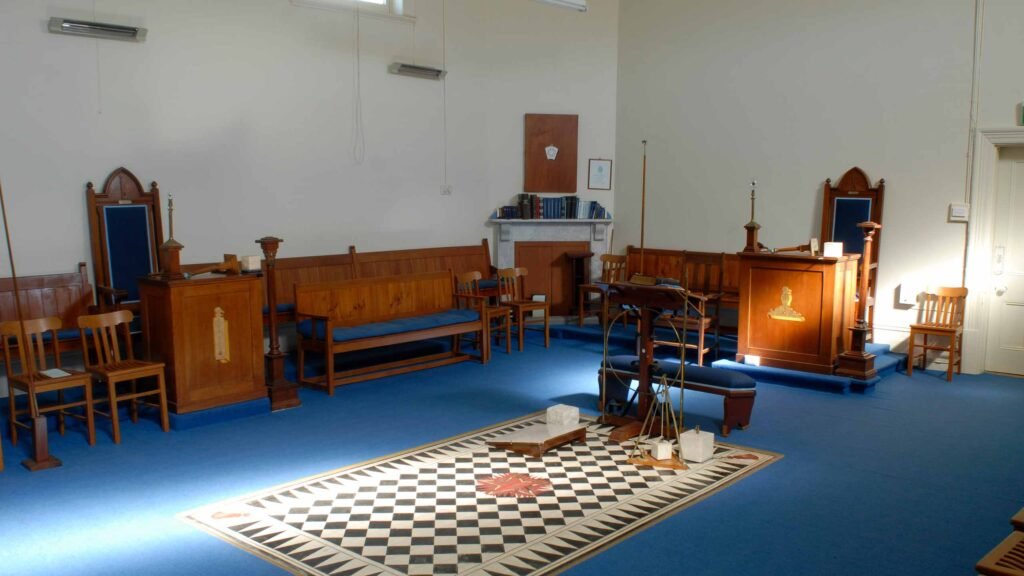
Inside a Lodge Room
Inside a Lodge Room, when Freemasons hold a lodge meeting, it is done in a very orderly and planned way, based on ritual and traditions going back hundreds of years.
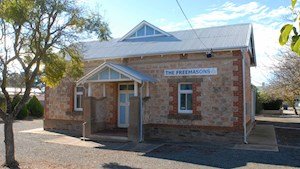
Lodge Finder
Find a Lodge near you or more about an individual Lodge here.
Contact Us
For more information about becoming a Freemanson
Call us or send us an email by filling in the enquiry form below and selecting send message. Please send all membership enquiries by g to our email
143987685
The Grand Lodge office is located at Freemasons Hall, 254 North Terrace, Adelaide.
Address: Freemasonry SA & NT, PO Box 19 Rundle Mall, Adelaide SA, Australia 5000